Showing posts with label News. Show all posts

How much students funded by the NSFAS?

students funded

South Africa has a significant student debt crisis, with the current figure running up billions, affecting students and their studies. NSFAS and the Department of Higher Education are now tackling this.R5.3 billion.
That's how much students funded by the National Student Financial Aid Scheme (NSFAS) owe higher education institutions.

It's found that some of these students, they are unable to pay their fees and have historical debt, which means that they won't be able to register to study and are then forced to put a stop to their studies or are not given their certificates which are needed to find a job.

In 2024, NSFAS provisionally funded over 1.2 million students out of approximately 1.9 million applications received. This significant increase reflects NSFAS's efforts to expand access to higher education for students from low-income and working-class families​.

The funding covers tuition fees, accommodation, meal allowances, and other essential support like transport for students residing far from their institutions. The aim is to support as many eligible students as possible, ensuring that those meeting the criteria receive assistance​.

For additional information on the funding and how NSFAS manages applications, you can visit the NSFAS official site. For 2024, NSFAS provisionally funded approximately 1.2 million students out of the nearly 1.9 million applications received. Here's a breakdown of the process and additional details:

1. Application Overview

  • NSFAS received 1,936,330 applications for the 2024 academic year​.
  • Out of these, 1,244,854 students were provisionally funded as of March 2024. The rest of the applications either needed further evaluation or were awaiting the submission of supporting documents.

2. Eligibility and Support Provided

  • NSFAS supports South African citizens from households with a combined annual income of up to R350,000. Students who receive SASSA grants are automatically eligible.
  • The funding covers tuition fees, accommodation (both on-campus and off-campus), meal allowances, and transport allowances (for those commuting from home).
  • Additional allowances include funds for books and personal care, especially for students in catered residences​.

3. System Enhancements and Challenges

  • NSFAS has launched a new mobile app and a WhatsApp line for students to track their application status, aiming to make the process more transparent and accessible​.
  • Despite these improvements, NSFAS continues to face challenges, including delays in allowance disbursements. These delays have been a concern for many students who rely on these funds for their daily living expenses​.

4. Government and Institutional Collaboration

  • NSFAS collaborates with institutions and the South African Revenue Service (SARS) to verify applicants' financial eligibility. This partnership helps streamline decision-making and ensures that funding reaches deserving students​'.
  • The organization is also working to improve the balance of funding distribution between different genders and institutions, as they have noticed disparities in past years​.

5. Funding Figures and Growth

  • NSFAS allocated approximately R37.9 billion for the 2024 academic year. This represents a significant increase from prior years, allowing more students to receive funding and expanding coverage to meet the growing demand​.

These improvements aim to make higher education more accessible and equitable for students across South Africa. For a detailed overview or to track applications, students are encouraged to visit the official NSFAS website.

Also Read: Procurement of laptops for NSFAS university students Completed

NSFAS Application Open for the 2025 academic year

NSFAS Application Open


The NSFAS application for the 2025 academic year opens on September 20, 2024, and will close on December 15, 2024. This period is critical for students who wish to apply for financial aid for their higher education. Make sure you apply within this window to ensure your application is considered​

For the 2025 NSFAS application process, here are some important details:

1. Application Period

  • Opening Date: September 20, 2024
  • Closing Date: December 15, 2024 Ensure you apply within this timeframe to be eligible for funding​.

2. Eligibility Criteria

  • Applicants must be South African citizens.
  • Household income should not exceed R350,000 per annum.
  • Applicants who receive social grants (e.g., SASSA) qualify automatically.
  • You must be applying for or currently registered at a public university or TVET college.

3. Documents Required

You need to upload several documents during your application, including:

  • Your ID document (or a birth certificate if you do not have an ID).
  • Proof of income for your parents, guardians, or spouse (if applicable).
  • Your most recent academic transcript or Grade 12 results, though matric results are not required initially​.
  • Disability form (Annexure A) if you have a disability.
  • Vulnerable child declaration form (if applicable).

4. Application Process

  • Step 1: Visit the NSFAS website.
  • Step 2: Create or log into your myNSFAS account.
  • Step 3: Fill in your personal information and answer the required questions.
  • Step 4: Upload all necessary documents.
  • Step 5: Review your information and submit your application​

5. Funding Coverage

NSFAS funding includes:

  • Tuition fees for courses at universities and TVET colleges.
  • Allowances for accommodation, meals, books, and transport (if you live far from your institution)​

6. Additional Information

  • A mobile app will be available for application tracking, and students can check their status via WhatsApp (078 519 8006) or USSD (12067327#).
  • Biometric capabilities and enhanced verification processes are being introduced to streamline applications

A Step-by-Step Guide on How to Order NSFAS Laptop Online

How to Order NSFAS Laptop Online

The National Student Financial Aid Scheme, NSFAS, has found the use of laptop devices necessary in all institutions; therefore, if you are an NSFAS beneficiary in need of a machine and you still need to order yours, you should get ordering.

“People also ask: How to get a laptop from Nsfas? How do you buy a laptop with NSFAS? Does Nsfas give you a laptop? How to apply for Nsfas laptops – see below.”
How to Order Your Nsfas Laptop Online

Here is a step-by-step on how to order your laptop online:


Step 1:

Go to the NSFAS website.

Step 2:

Click ‘myNSFAS’

Step 3:

Click the Online Order Portal

Step 4:

Fill in the required fields.

Step 5:

Agree to the terms and conditions

Requirements

The student should be advised that the following information will be asked when placing your order:
  • South African ID number
  • Student number
  • Contact details
  • Name of the institution they are registered at Campus name
  • Home address
So, if you have already ordered, your order is on its way to getting approved, and if you have not yet called, order now to avoid any delay in your online learning.


WHO QUALIFIES FOR THE BURSARY?

You qualify for an NSFAS bursary if you are a South African citizen who plans to study in 2022 or you are already studying at a public university or TVET college and you meet the following requirements:
  • SASSA grant recipients or
  • Your combined household income is not more than R350 000 per year or
  • The person with a disability with a combined household income of not more than R600 000 per year or
  • The student began university studies before 2018 and has a household income of R122,000 per year.

WHAT IS REQUIRED DURING THE APPLICATION PROCESS?

NSFAS may need more information from you to process your application, check what supporting documents are required, and ensure you have all the relevant information.
You will need the following to complete your NSFAS application: Your own cellphone number and email address.
  • Copy of your ID or birth certificate
  • ID copies of parents, guardians or spouse
  • Your proof of income or 1 year’s IRP5 (if applicable)
  • Your parents, guardian or spouse’s proof of income
  • If you are a SASSA grant recipient, no proof of income will be required
  • Applicants with a disability must submit a completed and signed Disability Annexure A Form, click here to download
An applicant recognised as a Vulnerable Child by the Department of Social Development must provide a completed and signed Vulnerable Child Declaration and Consent Form, click here to download.

HOW AND WHERE TO APPLY

You can apply online using a cellphone, tablet, or computer. Follow these simple steps to apply:

  • Step 1: Go to www.nsfas.org.za and click the ‘myNSFAS’ tab.
  • Step 2: Create a myNSFAS account
  • Step 3: Click on the ‘APPLY’ tab and answer the questions on the screen.
  • Step 4: Upload the required supporting documents, then click on ‘submit’
  • After clicking on ‘submit’, your application reference number will appear on the screen. The reference number will also be sent to your cellphone number and email address.

CHECK APPLICATION STATUS

If you have already applied for NSFAS you can track your application and check the status.

Click here my nsfas status to track your application.​

CONTACT NSFAS VIA THE NSFAS VIRTUAL CONTACT CENTRE

  • NSFAS Connect: www.nsfas.org.za and log into your myNSFAS account
  • Facebook: National Student Financial Aid Scheme​
  • Twitter page: @myNSFAS
  • Instagram: @myNSFAS
  • Email: info@nsfas.org.za


Unemployed job seeker no longer needed to certify documents

certify documents


A recent study revealed that South African youth spend an average of R938 a month looking for a job. These costs include costly admin work, but there's good news for those in the process of job hunting.
 
Part of the job search includes making copies of documents that must be certified before submitting your job application.

The Department of Public Service and Administration has issued a circular to all national and provincial departments, giving notice that job applicants are no longer required to submit certified copies of their educational qualifications and other relevant documents along with their applications.

In a statement, the Public Service and Administration Acting Director-General, Linda Dludla, said:

In order to alleviate the administrative burden on Human Resource sections, as well as cost for applicants, departments are encouraged to request certified copies of educational qualifications and other relevant documents only from shortlisted candidates.


According to the department, applicants must submit a duly completed Z83 form, copies of supporting documents, and a detailed CV.

If you apply for a job advertised by a national or provincial government department, you are advised to complete all fields in Part A and Part B of the new Z83 form.

Dludla added that applicants who do not use the most recent Z83 form for employment issues in accordance with Regulation 10 of the Public Service Regulations, 2016, will be disqualified.

Applicants are also advised to answer all areas. While it is acceptable for an applicant to indicate 'not applicable,' it is not acceptable to leave sections blank.

Applicants ought to also complete all fields in total for both Part C and D. Concerning Part E, F, and G, where there is limited space, applicants are allowed to indicate “see attached’ Curriculum Vitae (CV), as long as the CV is attached with all the required information.

“The questions related to conditions that prevent re-appointment in the public service space under Part F must be answered. The declaration must also be completed and signed,” shared Dludla.

Sassa Status Check: Failed, Pending, Declined, Reconsideration for R350 Grant.

Sassa Status Check

Sassa Status Check:

Failed, Pending, Declined, Reconsideration for R350 Grant: You can check your Sassa status for your R350 application online via the srd.sassa.gov.za, then choose check status online, then proceed to enter your ID number and finally submit it to view your application status for said grant. If your SRD Status check is approved, then enter your bank details. If your status failed or declined, then appeal for reconsideration.

To Check your Sassa application status online,

Why is my Sassa R350 still pending? It is now easy to check your appeal status on the srd.sassa.gov.za website. You can also easily change your banking details and make new applications in South Africa. You may encounter this status: “Pending Sassa status means that most beneficiaries have not yet approved the submitted application. This means your application details and information must be reviewed, screened, and verified before approval.

Also Read: SASSA R350 Grant Payments Dates For May 2022

Once your SASSA status has been approved, you will receive an SMS from SASSA requesting you to submit your banking details; however, now, you also have the option of submitting your banking details while applying for the SRD grant or even when you check your status, then you will be paid” as it was discussed by Sassa. It is important to note that more than 10 million people have been approved to pay for the SRD grant.

With the introduction of the SASSA R350 grant, many SRD SASSA applications were rolling in with the heading to srd.sassa.gov.za, as the website serves many purposes. Not only can you make your SASSA application for R350 there, but you can also check your SASSA SRD status. This is also the SASSA website, which allows you to correct banking details and other information.

Here’s How To Submit A Reconsideration Request Online for your Sassa status.


First, you have to visit the SRD website via https://srd.sassa.gov.za. The second step is to Find the ‘Application for Reconsideration’ tab on the SRD website, then choose where it says ‘apply for reconsideration.’

The next step is to follow the prompts to reconsider your payment. For the next stage, you will be asked to provide your ID and Mobile numbers. You also have the option of submitting a reconsideration appeal via phone. 
Step 1: Call Sassa on 0800 60 10 11, 
Step 2: Select option 3, and finally, 
Step 3: Speak to the Sassa consultant to lodge your reconsideration request.


Understanding the Delay: Why is My SASSA Grant Still Pending?

Are you anxiously waiting for your SASSA grant to be approved, but it's still pending? Don't worry, you're not alone. Many people find themselves in similar situations, wondering why the process seems to be taking so long. In this article, we will dig deeper into the reasons behind these delays and help you understand what could be causing the hold-up.

While the South African Social Security Agency (SASSA) strives to process grants quickly, various factors can contribute to delays. From a high volume of applications to verification processes and system errors, SASSA must overcome multiple hurdles to ensure the accuracy and legitimacy of every application.

Understanding the reasons behind the delay will help you stay informed and provide insights into what you can do to expedite the process. By shedding light on common causes, this article aims to empower grant recipients with the knowledge to navigate the system patiently and make informed decisions. Stay tuned to learn more about the possible reasons why your SASSA grant is still pending.
 

Understanding the SASSA grant application process

The first step in understanding why your SASSA grant is still pending is to familiarize yourself with the grant application process. Applying for a SASSA grant involves several stages, each requiring time for processing and verification.

To begin with, you need to complete the application form accurately and provide all the necessary supporting documents. These documents typically include proof of identity, proof of residence, and proof of income. It's crucial to ensure that all the information provided is up to date and correct to ensure the timely processing of your grant.

Once you submit your application, SASSA officials review it thoroughly. This review involves verifying and cross-checking your information against various databases to ensure accuracy. The verification process can take some time, especially when there is a high volume of applications.

After the verification stage, your application moves on to the approval stage. This is where a final decision is made regarding your eligibility for the SASSA grant. The approval process involves assessing your financial situation, considering your income, assets, and household composition. SASSA officials must ensure the grant is allocated to those who genuinely need it and meet the eligibility criteria.

Once your application has been approved, the final step is the payment process. This is when the grant amount is disbursed to your chosen payment method, such as a bank account or a SASSA card. The payment process can also take some time, depending on the efficiency of the payment system and any technical issues that may arise.

Understanding the various stages of the SASSA grant application process is essential for managing your expectations. It helps you realize that delays can occur at any stage due to the sheer volume of applications or the need for thorough verification. Patience is critical during this process, but there are also steps you can take to check the status of your grant application and expedite the process.
 

Reasons for delays in SASSA grant processing

There are several reasons why your SASSA grant may need more time to process. Understanding these reasons can help you have a clearer picture of what might be causing the hold-up. Here are some common factors that contribute to delays in SASSA grant processing:
  1. High Volume of Applications: One of the primary reasons for delays is the sheer volume of grant applications that SASSA receives. Especially during economic hardship or national crises, there tends to be an influx of applications, which can overwhelm the system and slow the processing time.
  2. Verification Processes: SASSA ensures that every application is verified thoroughly to prevent fraud and that grants are allocated to those who genuinely qualify. The verification process includes cross-checking information with various databases and conducting investigations when necessary. These additional verification steps can lead to processing delays.
  3. System Errors: Like any digital system, the SASSA grant application system is not immune to technical glitches and errors. System issues can arise, leading to delays in processing applications. It is essential to remember that these errors are usually resolved as soon as they are identified, but they can still cause temporary delays.
  4. Incomplete or Inaccurate Applications: Another expected delay is when applicants submit incomplete or inaccurate information. It is crucial to double-check your application and ensure that all the required fields are filled correctly. Any missing or incorrect information can lead to delays, as SASSA officials need to contact you for clarification or additional documentation.
  5. Manual Processing: While SASSA strives to automate its processes as much as possible, there are instances where manual processing is required. This can be due to various reasons, such as missing documents or complex cases that need additional attention. Manual processing naturally takes more time, which can result in delays.
Understanding these reasons for delays in SASSA grant processing can help you have a more realistic timeline expectation. While waiting for your grant to be processed can be frustrating, knowing that there are valid reasons behind the delays can provide some reassurance. In the next section, we will explore common issues that applicants encounter during the application process.
 

Common issues with SASSA grant applications

During the SASSA grant application process, applicants often encounter common issues that can further delay the processing of their grants. Being aware of these issues and knowing how to address them can help you navigate the application process more effectively. Let's take a look at some of the common problems and how to handle them:
  1. Missing Supporting Documents: One of the most common issues is when applicants must provide all the necessary supporting documents and their applications. Please provide documents to ensure the processing time, as SASSA officials need these documents to verify your eligibility. It is essential to carefully review the application requirements and gather all the required documents before submitting your application.
  2. Inaccurate Information: Providing erroneous information in your application can also lead to delays. It is crucial to double-check all the information you provide, including your personal details, income, and household composition. Any discrepancies or inaccuracies can result in SASSA officials seeking clarification or additional documentation, causing unnecessary delays.
  3. Failure to Update Information: If any changes occur in your circumstances after submitting your application, it is essential to update your information with SASSA promptly. This includes changes in your address, income, or household composition. Please update your information to avoid delays or even the rejection of your application.
  4. Lack of Communication: In some cases, applicants experience delays simply because they fail to communicate effectively with SASSA. Responding promptly to requests for additional information or clarification is crucial. Ignoring or delaying responses can stall the processing of your application. It is also essential to keep your contact information current so that SASSA can reach you.
  5. Technical Issues: Technical issues can occur during the application process, such as difficulties accessing the online application portal or errors during submission. If you encounter any technical problems, it is essential to contact SASSA for assistance. They can guide you through the process or provide alternative methods for submitting your application.

Being aware of these common issues and taking proactive steps to avoid them can help expedite the processing of your SASSA grant application. In the next section, we will explore how you can check the status of your application and what steps to follow if your grant is still pending.
 

How to check the status of your SASSA grant application

If you're eager to know the status of your SASSA grant application, there are several ways to check for updates. SASSA provides different channels through which you can track the progress of your application and get the information you need. Here are some methods you can use to check the status of your SASSA grant application:
  1. Online Portal: SASSA has an online portal where applicants can log in to check the status of their grant application. You can create an account on the portal using your application reference number and other relevant details. Once logged in, you can view the current status of your application, including any updates or additional information required.
  2. Toll-Free Helpline: SASSA operates a toll-free helpline where you can inquire about the status of your grant application. By providing your application reference number and other necessary details, a SASSA representative can assist you in tracking the progress of your application and provide any relevant updates.
  3. Local SASSA Office: Another option is to visit your local SASSA office and inquire in person about the status of your grant application. Remember to bring your application reference number and any other documents required for identification. The staff at the SASSA office will be able to provide you with the necessary information and guidance.

Regardless of your chosen method, remaining patient and allowing sufficient time to process your application is essential. It is also worth noting that SASSA may experience high call volumes or long wait times, especially during peak periods. If your grant is still pending and you are concerned about the delay, there are steps you can follow to escalate the matter and seek further assistance.
 

Steps to follow if your SASSA grant is still pending

If your SASSA grant is still pending and you are concerned about the delay, there are steps you can take to escalate the matter and seek further assistance. Here are some recommended steps to follow:
  1. Contact SASSA: Reach out to SASSA through their toll-free helpline or visit your local SASSA office to inquire about the status of your grant application. Provide them with your application reference number and any other relevant details. The SASSA representative will be able to provide you with updates and guidance on the next steps.
  2. Escalate the Matter: If you are dissatisfied with the response or feel your application has been unreasonably delayed, you can escalate the matter to a higher authority within SASSA. Ask to speak with a supervisor or manager who can address your concerns and provide further assistance.
  3. Seek Legal Advice: In extreme cases where you believe your rights have been violated or your application has been unfairly delayed, you may seek legal advice. Consult a social security or administrative lawyer to understand your rights and explore potential legal remedies.
  4. Engage with Support Organizations: Various support organizations and advocacy groups specialize in assisting individuals with grant applications and social security matters. Reach out to these organizations for guidance and support. They can provide you with valuable advice or advocate on your behalf.

Remember to remain calm and patient throughout the process, as delays can occur for various reasons. By following these steps, you can proactively address the delay and seek the necessary assistance. In the next section, we will explore additional support options available for SASSA grant recipients.
 

Additional support for SASSA grant recipients

SASSA grant recipients can access additional support services to help them navigate the system and address any challenges they may encounter. These support services aim to assist grant recipients in managing their grants effectively and accessing the necessary resources. Here are some additional support options available for SASSA grant recipients:
  1. SASSA Helpdesk: SASSA operates a helpdesk where grant recipients can seek assistance with any queries or issues related to their grants. The helpdesk is available through the toll-free helpline and provides support in various languages. Whether you have questions about your grant amount, payment dates, or other concerns, the helpdesk staff can guide you and provide the necessary information.
  2. Financial Education Programs: SASSA offers financial education programs to help grant recipients improve their financial literacy and make informed decisions about grant management. These programs provide valuable information on budgeting, saving, and financial planning. By participating in these programs, grant recipients can gain the knowledge and skills necessary to maximize the benefits of their grants.
  3. Social Worker Assistance: SASSA employs social workers who can provide additional support to grant recipients, particularly those facing complex social and economic challenges. Social workers can help assess your needs, provide counseling or referrals to other support services, and assist with any issues you may face. Contacting a SASSA social worker may be beneficial if you require specialized support or face unique circumstances.
  4. Community Outreach Programs: SASSA organizes community outreach programs to reach out to grant recipients and directly support their communities. These programs often include information sessions, workshops, and one-on-one consultations. Participating in these outreach programs allows you to access personalized assistance and advice tailored to your needs.

Taking advantage of these additional support services can greatly benefit SASSA grant recipients. Whether you need assistance with grant-related queries, financial management, or social support, these services are designed to provide the necessary help and guidance. In the next section, we will address some frequently asked questions about SASSA grant delays.
 

Frequently asked questions about SASSA grant delays

  1. How long does it take for a SASSA grant to be approved? The processing time for SASSA grants can vary depending on factors such as the volume of applications, verification processes, and system efficiency. While SASSA strives to process grants as quickly as possible, it is essential to remember that delays can occur due to these factors.
  2. What should I do if my SASSA grant takes too long to approve? If your SASSA grant is taking longer than expected, you can check the status of your application using the methods mentioned earlier. If you are concerned about the delay, contact SASSA through their toll-free helpline or visit your local office for assistance.
  3. What can cause my SASSA grant application to be rejected? There are various reasons why a SASSA grant application may be rejected, such as inaccurate information, failing to meet the eligibility criteria, or not providing the necessary supporting documents. Ensuring that your application is accurate and complete is crucial to avoid rejection.
  4. Can I follow up on my SASSA grant application status online? Yes, SASSA provides an online portal where you can log in and check the status of your grant application. You can view updates and any additional information required by creating an account using your application reference number.
  5. What should I do if my SASSA grant application is rejected? If your SASSA grant application is denied, you can seek clarification from SASSA regarding the reasons for the rejection. You can rectify the issues and reapply if necessary. It is also advisable to consult with a social worker or support organization for guidance on the next steps.

These are general answers to frequently asked questions, and individual circumstances may vary. If you have specific concerns or questions about your SASSA grant application, it is best to contact SASSA directly for accurate and up-to-date information. The final section will provide tips for avoiding delays in future SASSA grant applications.
 

Tips for avoiding delays in future SASSA grant applications

To ensure a smoother and more efficient grant application process in the future, here are some tips to help you avoid delays:
  • Double-check your application: Before submitting your application, carefully review all the information provided to ensure accuracy and completeness. Verify that all the required supporting documents are attached and that the information you provide is current.
  • Stay informed: Keep yourself updated.

Conclusion and final thoughts

While waiting for your SASSA grant approval can be frustrating, it's important to remember that delays can happen for various reasons. Factors such as a high volume of applications, extensive verification processes, system errors, and incomplete applications can all contribute to the delay.

By understanding these reasons, you can better understand what might be causing the hold-up and take steps to expedite the process as much as possible. It is crucial to ensure that you have provided all the necessary documentation and information accurately during the application process. Additionally, staying patient and regularly checking the status of your application can help you stay informed about any updates or changes.

Remember, SASSA is working diligently to process grants and assist those in need. While delays can be frustrating, they are often necessary to ensure the accuracy and legitimacy of the grants. Stay informed, stay patient, and know that your SASSA grant is being processed with care.

Covid-19 Beneficiary List 1st, 2nd and 3rd Wave Relief Fund Digital Solutions Projects


As part of the department's intervention during COVID-19, the department invited the creative industry to submit Digital solutions proposals, which were then subsequently funded. This is outside the straightforward Relief support. Some of the digital solutions beneficiaries were also reflected in the list of the COVID-19, 1st,  2nd and  3rd wave beneficiaries. This is because payments were made in tranches. This is the final consolidated list of beneficiaries of all Digital Solutions beneficiaries. 


PDF: Covid-19 1st Wave Relief Fund Digital Solutions Projects Beneficiaries


In South Africa, the government and various organizations implemented a series of relief funds and digital solutions projects to support individuals and businesses during the COVID-19 pandemic. Here is an overview of the initiatives for each wave of the pandemic:

1st Wave Relief Fund:

  1. Social Relief of Distress (SRD) Grant: A special COVID-19 Social Relief of Distress grant of R350 per month was provided to unemployed individuals who were not receiving any other form of social grant or UIF payment.
  2. Temporary Employee/Employer Relief Scheme (TERS): The Unemployment Insurance Fund (UIF) provided temporary relief to workers who lost income due to the pandemic.
  3. Food Parcel Distribution: The South African Social Security Agency (SASSA) and various non-governmental organizations distributed food parcels to vulnerable households.
  4. Health Infrastructure: Increased funding for healthcare infrastructure, including the procurement of PPE, ventilators, and the establishment of quarantine facilities.

2nd Wave Relief Fund:

  1. Extended SRD Grant: The SRD grant was extended to continue providing support to those in need.
  2. Business Support: The government provided financial support to small, medium, and micro-enterprises (SMMEs) through various programs, including the Debt Relief Finance Scheme and the Business Growth/Resilience Facility.
  3. Vaccine Rollout Support: Funding and logistical support for the national vaccination campaign, including the procurement and distribution of vaccines.
  4. Education Support: Initiatives to support remote learning, including the provision of digital devices and data for students and teachers.

3rd Wave Relief Fund:

  1. Mental Health Support: Increased focus on mental health services, including hotlines and online counseling services to support individuals affected by the prolonged pandemic.
  2. Economic Reconstruction and Recovery Plan (ERRP): Initiatives aimed at long-term economic recovery, including infrastructure development projects, job creation programs, and support for digital transformation.
  3. Sector-Specific Support: Targeted support for sectors heavily impacted by the pandemic, such as tourism and hospitality, through grants and financial assistance.
  4. Community Resilience: Investments in community health programs and infrastructure to build resilience against future pandemics.

Digital Solutions Projects:

  1. COVID-19 Alert SA App: A mobile application launched by the Department of Health to assist with contact tracing and alerting users of potential exposure to COVID-19.
  2. Vaccine Management System (EVDS): An electronic system developed to manage the registration and scheduling of COVID-19 vaccinations.
  3. e-Government Services: Expansion of e-government services to allow online applications for relief funds, UIF claims, and other government services.
  4. Remote Learning Initiatives: Deployment of digital learning platforms and resources to support remote education for students during school closures.
  5. Digital Business Transformation: Programs to help businesses transition to digital operations, including support for e-commerce, digital marketing, and online payment systems.

These initiatives were crucial in mitigating the impact of the COVID-19 pandemic on South African society and economy, while also fostering digital transformation across various sectors.


Step-by-Step Guide: Accessing Your MyLife Email Account for UNISA Students


If you're a Unisa student or you're going to be one, your myLife email account will play a vital role in your higher education years. Here's how to access it.

Accessing your myLife e-mail account

MyLife Email Account

Due to a recent Microsoft update, you can no longer directly access your myLife e-mail account when logged in to myUnisa.

New procedure to access your myLife e-mail account

If you're a Unisa student or you're going to be one, your myLife email account will play a vital role in your higher education years. Here's how to access it.

Every registered Unisa student receives a free myLife e-mail account for life. All you have to do is activate it. Once students have registered for myUnisa, they can access their myLife email account, where vital information is regularly communicated.


What to do if your password is not active on myLife / O365?


It may be necessary to reset your myUnisa password to synchronize it with your myLife mailbox. Login to myUnisa and click on "My Admin".
  • Click on the "Change Password" link.
  • Complete the form to update your password. Please note that this new password will be active for both your myUnisa and myLife services.

Important information

During peak periods, the new password may take approximately 30 minutes to activate on the myLife service. If you are still experiencing problems after resetting your password, please e-mail MyLifeHelp@unisa.ac.za for assistance.

Your myLife e-mail account is the only e-mail account recognized by Unisa for official correspondence to and from the university.

Before you do anything, you need to claim your myUnisa account if you still need to do so. Go to the myUnisa website and click on "Claim Unisa login". Follow the steps carefully.
  • How To Access MyLife Email AccountGo to http://mylife.unisa.ac.za/login or click on the myLife email option on the login page. The page will direct you to Microsoft Outlook.
  • Enter your UNISA email provided in step 6 and your UNISA my life password.

Then click 'Sign in'.

Students are advised to log out of their myUnisa email account when they are done using it and accessing it through a public computer or device.

You can access your myLife e-mail account from any network and anywhere. You just need internet access.


Introduction to MyLife email account for UNISA students

As a student at the University of South Africa (UNISA), accessing your MyLife email account is crucial for staying connected and informed. Your MyLife email account is where you will receive important updates from the university, communicate with professors and fellow students, and access various resources related to your studies. This step-by-step guide will walk you through accessing your MyLife email account, troubleshooting common issues, and providing tips for managing your inbox effectively.

Why accessing your MyLife email account is essential for UNISA students

Your MyLife email account is the primary communication tool between you and UNISA. It is essential to stay updated on important announcements, course changes, exam schedules, and other crucial information about your studies. Professors and administrative staff will often use your MyLife email account to reach out to you, so it is essential to regularly check and respond to emails promptly. Please do so to avoid missed deadlines, opportunities, and a disconnect from the UNISA community.

Step-by-step guide to accessing your MyLife email account

To access your MyLife email account, follow these simple steps:

  1. Visit the UNISA website at www.unisa.ac.za and click on the "MyLife Email" link.
  2. You will be redirected to the MyLife email login page. Enter your UNISA student number and password.
  3. Once logged in, you will be taken to your MyLife email dashboard, where you can access your inbox, compose new emails, and manage your account settings.

It is important to note that your MyLife email account is accessible only to currently enrolled UNISA students. If you need help logging in or accessing your account, please refer to the troubleshooting section below.

Troubleshooting common issues with accessing your MyLife email account

If you are experiencing any issues with accessing your MyLife email account, try the following troubleshooting steps:

  1. Double-check that you are entering your UNISA student number and password correctly. Ensure that the Caps Lock key is not accidentally enabled.
  2. Clear your browser cache and cookies, then restart your browser before attempting to log in again.
  3. If you have forgotten your password, click on the "Forgot Password" link on the login page and follow the instructions to reset it.
  4. If none of the above solutions work, contact the UNISA IT Helpdesk for further assistance. They will be able to guide you through any technical difficulties you may be experiencing.

Remember, it is important to resolve any login issues promptly to ensure you do not miss out on important information from UNISA.

How to manage your MyLife email account settings

Once you have successfully logged into your MyLife email account, it is recommended to customize your account settings to suit your preferences. Here are some key settings you can manage:

  1. Email signature: Customize your email signature with your name, student number, and any other relevant information you wish to include.
  2. Forwarding: Set up email forwarding to have your MyLife emails automatically forwarded to a different email account if desired.
  3. Spam filters: Adjust the spam filter settings to ensure important emails are not mistakenly flagged as spam.
  4. Auto-reply: Set up an automatic reply message for times when you are away from your email for an extended period.

By taking the time to manage your MyLife email account settings, you can optimize your email experience and streamline your communication with UNISA and fellow students.

Tips for organizing and staying on top of your MyLife email inbox

Managing your MyLife email inbox effectively is key to staying organized and on top of your academic responsibilities. Here are some tips to help you keep your inbox organized:

  1. Create folders: Set up folders to categorize your emails based on courses, assignments, and other relevant topics. This will make it easier to locate specific emails in the future.
  2. Use filters: Utilize email filters to automatically sort incoming emails into specific folders based on sender, subject, or keywords.
  3. Archive or delete: Regularly archive or delete emails that are no longer needed to keep your inbox clutter-free.
  4. Set reminders: Use the calendar feature in your MyLife email account to set reminders for important deadlines, exams, and events related to your studies.

By implementing these organizational strategies, you can ensure that your MyLife email inbox remains manageable and efficient.

How to use the MyLife email features effectively for UNISA students

In addition to the basic functions of sending and receiving emails, your MyLife email account offers several features that can enhance your communication and productivity as a UNISA student. Here are some notable features and how to use them effectively:

  1. Calendar: Utilize the built-in calendar feature to schedule study sessions, group meetings, and other important events related to your studies. You can also set up reminders to ensure you don't miss any deadlines.
  2. Collaboration tools: Use the collaboration tools within your MyLife email account, such as shared calendars and document sharing, to work effectively with fellow students on group projects or study materials.
  3. Mobile access: Install the MyLife email app on your smartphone to stay connected and access your emails on the go. This allows you to stay informed even when you are away from your computer.

By exploring and utilizing these features, you can maximize the benefits of your MyLife email account and enhance your academic experience at UNISA.

Security measures for your MyLife email account

Protecting the security of your MyLife email account is crucial to safeguarding your personal information and ensuring uninterrupted access. Here are some critical security measures to consider:

  1. Strong password: Choose a strong, unique password for your MyLife email account and avoid using the same password for multiple accounts. Regularly update your password to ensure maximum security.
  2. Two-factor authentication: Enable two-factor authentication for an added layer of security. When logging into your account, this requires you to verify your identity with a second form of authentication, such as a code sent to your mobile device.
  3. Beware of phishing attempts: Be cautious of emails that ask for personal information or contain suspicious links. Avoid clicking on links or downloading attachments from unknown sources.

By following these security measures, you can minimize the risk of unauthorized access to your MyLife email account and protect sensitive information.

Additional resources and support for UNISA students with MyLife email

If you require additional support or have specific questions regarding your MyLife email account, UNISA offers various resources to assist you:

  1. IT Helpdesk: Contact the UNISA IT Helpdesk for technical support related to your MyLife email account. They can assist with login issues, troubleshooting, and general inquiries.
  2. Online tutorials: UNISA provides online tutorials and guides on their website to help you navigate and make the most of your MyLife email account.
  3. Student forums: Engage with fellow UNISA students on student forums or social media groups to seek advice, share tips, and address any concerns related to MyLife email.

Take advantage of these resources to ensure you have the support to effectively utilize your MyLife email account.

Conclusion

Accessing your MyLife email account is essential to being a UNISA student. Following the step-by-step guide in this article, troubleshooting common issues, and implementing effective email management strategies, you can make the most of your MyLife email account and stay connected with UNISA. Remember to prioritize the security of your account and utilize the additional resources and support available to you. Embrace your MyLife email account as a valuable tool for communication and organization throughout your academic journey at UNISA.

Understanding the Significance of the Government of National Unity in South Africa

Government of National Unity in South Africa


Introduction to the Government of National Unity in South Africa

As an experienced writer, I am delighted to delve into the intriguing history and significance of the Government of National Unity (GNU) in South Africa. This unique political arrangement played a pivotal role in the country's transition to democracy, and its impact continues to reverberate today.

The GNU was a remarkable experiment in power-sharing, brought about by the negotiations between the African National Congress (ANC) and the National Party (NP) in the early 1990s. It represented a bold and innovative approach to resolving the complex political challenges that South Africa faced during the dismantling of the apartheid system.

Formation and Purpose:

  • The GNU was established to ensure a smooth transition from apartheid to a democratic system. It aimed to promote reconciliation and stability in a deeply divided society.
  • The GNU included representatives from the African National Congress (ANC), the National Party (NP), and the Inkatha Freedom Party (IFP), reflecting a broad spectrum of the political landscape.

Historical background of the Government of National Unity

To fully appreciate the significance of the GNU, it is essential to understand the historical context that led to its creation. The apartheid regime, which had dominated South African politics for decades, was crumbling under the weight of domestic and international pressure. The release of Nelson Mandela in 1990 and the subsequent negotiations between the ANC and the NP paved the way for a peaceful transition to a democratic system.

The GNU was a crucial component of this transition, as it allowed for the inclusion of diverse political parties and perspectives in the governing process. It was a testament to the willingness of South African leaders to put aside their differences and work towards a common goal of national reconciliation and unity.

The significance of the Government of National Unity in South Africa

The significance of the GNU in South Africa cannot be overstated. It represented a groundbreaking approach to post-conflict governance, where former adversaries came together to govern the country jointly. This power-sharing arrangement was instrumental in preventing a potentially violent and chaotic transition, and it laid the foundation for the establishment of a stable and inclusive democracy.

One of the key achievements of the GNU was its ability to foster a sense of national unity and reconciliation. By bringing together leaders from different political and racial backgrounds, the GNU demonstrated the possibility of bridging divides and working towards a common purpose. This was particularly important in a country that had been deeply scarred by the legacy of apartheid.


Duration:

  • The GNU officially lasted from 1994 to 1999. However, the NP withdrew from the coalition in 1996, citing irreconcilable differences with the ANC over various policy issues.
  • The withdrawal of the NP marked a significant shift, leaving the ANC and IFP to continue without the NP until the end of the GNU period in 1999.

Key players in the Government of National Unity

The GNU was shaped by the contributions of several key players, each with their unique perspectives and roles. On the ANC side, Nelson Mandela and Thabo Mbeki were instrumental in navigating the complexities of the power-sharing arrangement. The NP, under the leadership of F.W. de Klerk, also played a crucial role in the negotiations and the implementation of the GNU.

Other significant figures included Cyril Ramaphosa, the ANC's secretary-general, who played a pivotal role in the negotiations, and Roelf Meyer, the NP's chief negotiator, who worked tirelessly to find common ground between the two parties.

Achievements and challenges of the Government of National Unity

The GNU was not without its challenges, as the process of integrating diverse political interests and ideologies was fraught with complexities and tensions. However, the GNU also achieved remarkable successes, such as the drafting of a new democratic constitution, the establishment of a multiracial and multiparty parliament, and the implementation of various social and economic reforms.

One of the key achievements of the GNU was its ability to maintain stability and continuity during the transition period. By preserving essential government functions and institutions, the GNU ensured that the country could continue to function and address the pressing needs of its citizens.

Impact of the Government of National Unity on South Africa's democracy

The impact of the GNU on South Africa's democracy cannot be overstated. It laid the foundation for a system of governance that embraced diversity, inclusivity, and the rule of law. The power-sharing arrangement demonstrated the possibility of overcoming deep-seated divisions and working towards a common vision for the country.

The legacy of the GNU can be seen in the continued commitment to multiparty democracy and the peaceful transfer of power in South Africa. It has also inspired other countries facing similar challenges of post-conflict reconciliation and nation-building.

Lessons learned from the Government of National Unity

The experience of the GNU in South Africa offers valuable lessons for other countries grappling with the challenges of political transition and nation-building. One of the key lessons is the importance of compromise and the willingness to put aside ideological differences for the greater good of the country.

The GNU also highlighted the significance of inclusive governance, where diverse political and social perspectives are represented in the decision-making process. This approach can help to foster a sense of ownership and investment in the political system, ultimately strengthening the foundations of democracy.

Current relevance of the Government of National Unity in South Africa

While the GNU was a temporary arrangement that lasted until the 1999 general elections, its legacy continues to shape the political landscape in South Africa. The principles of power-sharing and national unity remain important considerations in the country's governance, as political parties navigate the complexities of a multi-ethnic, multi-racial, and multi-party democracy.

In recent years, there have been calls for the revival of the GNU or a similar power-sharing arrangement to address the country's ongoing challenges, such as economic inequality, social cohesion, and political instability. These discussions highlight the enduring relevance of the GNU and its potential to address contemporary issues in South Africa.

Criticisms and controversies surrounding the Government of National Unity

Despite its many achievements, the GNU was not without its critics and controversies. Some argued that the power-sharing arrangement was a compromise that did not go far enough in addressing the deep-seated inequalities and injustices of the apartheid era. Others criticized the GNU for being overly focused on maintaining stability at the expense of more radical transformation.

There were also concerns about the ANC's perceived dominance within the GNU and the potential for the power-sharing arrangement to be used as a tool for political patronage and the consolidation of power.

  • Policy Differences: The coalition faced significant challenges, including deep-seated policy differences between the ANC and NP, particularly on issues related to economic policy, affirmative action, and the pace of transformation.
  • Withdrawal of the NP: The NP’s exit from the GNU in 1996 underscored the difficulties in maintaining a coalition government in a transitional context where historical animosities and ideological differences were still prevalent.


Conclusion

The Government of National Unity in South Africa stands as a testament to the power of political compromise, inclusion, and the pursuit of national reconciliation. Its legacy continues to shape the country's political landscape, offering valuable lessons for other nations facing similar challenges of post-conflict transition and nation-building.

As South Africa navigates the complexities of the 21st century, the principles and experiences of the GNU remain relevant, reminding us of the importance of putting aside differences and working towards a common vision for a more just, equitable, and prosperous society.

To learn more about the Government of National Unity and its ongoing relevance in South Africa, I encourage you to explore the resources and analyses available on our website. We are committed to providing in-depth, well-researched content that sheds light on this crucial chapter in the country's history and its continued impact on the present day.

SASSA Older, Disability and Children's Grant Payment Dates For The entire 2024/ 2025

Grant Payment Dates
Many have welcomed a recent announcement about the distribution of social grants in South Africa, as citizens will have access to their money earlier every month.

Read: How to reverse money using the Capitec App.

Many have welcomed a recent announcement about the distribution of social grants in South Africa, as citizens will have access to their money earlier every month.

The South African Social Security Agency (Sassa) announced that permanent grants will begin to be distributed on the second day of every new month.

Payment Dates

If you are a SASSA beneficiary or know someone who is, you may wonder when the relevant grant payments will be made. Below is a list of the SASSA payment schedule for January 2024 to March 2024 (payment dates for further months have not yet been announced):


The South African Social Security Agency (SASSA) has released the payment dates for various grants for the 2024/2025 financial year. These dates are crucial for beneficiaries who rely on timely disbursements for financial planning. Here is the schedule for the key grants:


April 2024

  • Older Persons Grant: 3 April 2024
  • Disability Grants: 4 April 2024
  • Children’s Grants: 5 April 2024

May 2024

  • Older Persons Grant: 3 May 2024
  • Disability Grants: 6 May 2024
  • Children’s Grants: 7 May 2024

June 2024

  • Older Persons Grant: 4 June 2024
  • Disability Grants: 5 June 2024
  • Children’s Grants: 6 June 2024

July 2024

  • Older Persons Grant: 2 July 2024
  • Disability Grants: 3 July 2024
  • Children’s Grants: 4 July 2024

August 2024

  • Older Persons Grant: 2 August 2024
  • Disability Grants: 5 August 2024
  • Children’s Grants: 6 August 2024

September 2024

  • Older Persons Grant: 3 September 2024
  • Disability Grants: 4 September 2024
  • Children’s Grants: 5 September 2024

October 2024

  • Older Persons Grant: 2 October 2024
  • Disability Grants: 3 October 2024
  • Children’s Grants: 4 October 2024

November 2024

  • Older Persons Grant: 5 November 2024
  • Disability Grants: 6 November 2024
  • Children’s Grants: 7 November 2024

December 2024

  • Older Persons Grant: 3 December 2024
  • Disability Grants: 4 December 2024
  • Children’s Grants: 5 December 2024

January 2025

  • Older Persons Grant: 3 January 2025
  • Disability Grants: 6 January 2025
  • Children’s Grants: 7 January 2025

February 2025

  • Older Persons Grant: 4 February 2025
  • Disability Grants: 5 February 2025
  • Children’s Grants: 6 February 2025

March 2025

  • Older Persons Grant: 4 March 2025
  • Disability Grants: 5 March 2025
  • Children’s Grants: 6 March 2025
It’s important to note that if the second day of the month falls on a weekend or public holiday, the payment will take place on the next working day. This schedule ensures that beneficiaries can effectively plan their finances around these dates​

Important Updates | SASSA May Social Grants Payment Dates

The South African Social Security Agency published social payment dates for 2024. The published dates also stretched to 2024. Beneficiaries can now find social grant payments for each month of 2024 until March 2024. Below are the May Social Grants payment dates.

SASSA May Social Grants


Sassa Grant Schedule for 2024


If you still need to see the schedule for social grant payments for May, see the details below.

How to access Sassa Services?

Sassa has various offices at local, regional, and national levels. You may visit your local Sassa offices to apply or inquire about the entity's services.

You may also apply online for Sassa grants such as Old Pensioners Grants, Child Support Grants, SRD Grants, etc.

Where to Apply for Sassa grant online?

  • For Social Grants, go to: https://services.sassa.gov.za.
  • For SRD Grant, go to: https://srd.sassa.gov.za
  • May Social Grants Payment Dates
  • The social grants for May 2024 will be paid as follows:
  • Older Age Pension Grant
  • The Older person grant will be delivered on 02 February 2024
  • Disability Grant
  • The Disability Grant will be delivered on 05 May 2024
  • Child Support Grant and Other Grants
  • All other gifts will be delivered on 06 May 2024

Sassa Social Grants Payment Dates for 2023 to 2024

Question time

Do you have any questions or comments to make on Sassa social grants? Do send us comments or questions by commenting below. We will publish the comments and possible answers after review.

Is Getting A Degree Still Worth It in South Africa? after 35.3% unemployment rate


They are both graduates, now selling muffins and scones at the Soshanguve Crossing Mall.


Advantages of Earning a Degree Online

South Africa's unemployment rate is the highest it has ever been, with youth taking up most of the percentage. Graduates often find themselves unemployed, which begs the question, is obtaining a degree still worth it?


South African graduates struggle to find work, even being qualified, as the country battles a job crisis and high unemployment rates. Many are now looking at whether getting a degree is still worth it.

Radio 702 held a discussion about this very subject. Student leaders from Sasco, the South African Union of Students, and EFF Student Command took part in this conversation.
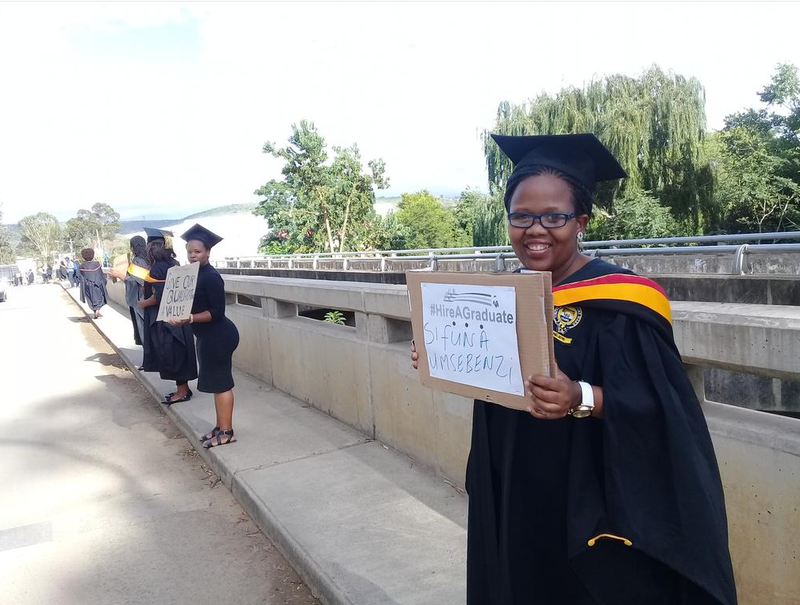
Graduates from several South African universities are spearheading a 'Hire A Graduate' campaign.


Getting a degree means you have a better chance of getting a good job. However, graduates around the country are losing hope, making up the majority of the 35.3% unemployment rate.

Many also believe that not only are there enough jobs, but the government needs to do its part in providing the youth with employment opportunities and job creation.

Another way these graduates are failing is in the education itself, with Sasco president Bamanye Matiwane saying:


Read more: How much students funded by the NSFAS owe higher education institutions.


In essence, we can't necessarily say we are free as a country when we have the privatization of education. We can't say we are free when each and every year, institutions of higher learning increase tuition fees each and every year, knowing very well that the country has a high unemployment rate.

Some graduates cannot pay their fees, and because of this, they are not given the certificates needed to get a job.

SAUS president Yandisa Ndzoyiya said that it's seen that the more educated you are, the more unemployed you become.

Another thing seen in South Africa is that when graduates do get jobs, these jobs don't use the skills they have and require less of them.

Economic Freedom Fighters Student Command president Mandla Shikwambana said:


What is the use of going to class for four years? You are in University doing a degree for teaching, and then when you are done, there's no job for you. You are only given the initiative called the Teacher Assistant, where you are given 3500 per month.

Pictures of Zimbabwean graduates dressed in graduation gowns while vending on the streets of central Harare have gone viral on social media.
 

"Graduates are being subjected to stand by a gate sanitising learners as they enter the gate; you are reducing them to nothing", continued Shikwambana.

With everything, it's found that more and more young people want to move internationally and find jobs there as job prospects are brighter.

However, getting a degree opens you up to more options. It's also worth finding courses aligned with those skills in demand and aligned to the fourth industrial revolution.


Procurement of laptops for NSFAS university students Completed

Procurement of laptops for NSFAS
NSFAS Completed Procurement of LaptopsThe National Student Financial Aid Scheme (NSFAS) recently announced that it has completed the procurement of laptops to aid students in their studies.

Laptops were provided to learners as part of the government’s mission to ensure that students were not affected by the challenges brought about by the Covid-19 pandemic.

The Minister of Higher Education, Science and Innovation directed NSFAS to procure learning devices for students to assist in the blended learning environment.

Also Read: A Step-by-Step Guide on How to Order NSFAS Laptop Online

It was then that the NSFAS Digital Learning Device Programme was introduced.

NSFAS stated that the tenders for the laptops were awarded to four service providers, and all were successfully tested by the organisation.

The awarded service providers included Pinnacle Micro (R3 863.56 cost per unit), CEOS Technologies (R5 290 cost per unit), MLO Distinctive Solutions (R5 300 cost per unit) and East Side Group (R5 750 cost per unit).

Students received laptops with Microsoft Windows, tracking software, chargers and a laptop bag which was 100% locally manufactured.

Millions of students benefitted from the programme and continue to use their devices to improve their learning experience.

Get Sassa R350 grant at Checkers, Usave, Shoprite, Pick ‘n Pay, Boxer

Sassa social grant beneficiaries who are yet to collect their R350 grant payment this month are going to have to make adjustments to their applications. The organization has announced a few changes to some of the current grant payment collection methods
R350 grant can go to Checkers, Usave, Shoprite, Pick ‘n Pay, Boxer


The South African Social Security Agency has more unfortunate news for social grant beneficiaries across the country, particularly those of the Social Relief of Distress (SRD) grant.

In a statement issued on Thursday morning, Sassa has said that its cash pay points which social grant recipients usually rely on to access their social grant payments, will not be available.


The South African Social Security Agency (SASSA) regrets to confirm that as from 11 May 2022, the cash pay points at which social grant clients normally access their social grant funding, will not be serviced - as a result of challenges beyond SASSA’s control.

Read More: Sassa might introduce new SRD Grant Payments Split

Sassa further advises beneficiaries to not visit any post office branch to try to collect their R350 grant payment because this challenge has been extended to them as well.

The agency adds that they are presently conducting contingency measures at pay terminals, where Sassa and SAPO staff are aiding all clients in receiving PINs so that they can transact at nearby retail establishments and bank ATMs

Read more: SASSA R350 Grant Payments Dates For May 2022

As pointed out above, recipients of the R350 Social Relief of Distress (SRD) grant have been cautioned not to go to the post office for funds that have not yet been collected.

R350 grant recipients who opted to receive their grant payments through SAPO branches are also encouraged to visit www.srd.sassa.gov.za and choose one of the retail locations listed below.

Additionally, beneficiaries who have not yet collected their R350 grant from SAPO/Postbank can do so at any of the following retail outlets:
  • Checkers
  • Usave
  • Shoprite
  • Pick ‘n Pay
  • Boxer

When visiting these retail outlets to collect their payout, grant recipients are encouraged to ensure that they are in possession of their Identity Documents and the cellphone number they registered with when applying for the grant because the One Time Pin number will be sent to this registered number.

SASSA will also continue to interact with communities and local leadership, traditional leaders, and/or councillors to advise clients of their funding alternatives.

Sassa might introduce new SRD Grant Payments Split

SRD Grant Payments

As Sassa continues to disburse the Social Relief of Distress (SRD) grant for this month, there have been growing frustrations among some applicants who have not yet received their grant payment for previous months. Sassa is looking to address the grant payment backlog for affected applicants. 

The beginning of the current week marked the first day the South African Social Security Agency (Sassa) resumed paying out R350 grant payments for this month. 

However, despite Sassa forging ahead with disbursing these R350 grant payments, there remain few grievances among some of its applicants who are yet to receive their grant payments or application approval.

The South African Social Security Agency (Sassa) took its social media platform in response to these complaints. It said that, If the applicant qualifies in the month of application, they will be paid for that month and the current month if the application still meets the necessary requirements. 

More importantly, Sassa further stated that it is possible that the money will not be made in two instalments or in one day. It could be spread out over several days or weeks.

“If the applicant qualifies in that month of the application, they will be paid for that month for the current month if they still meet the application criteria. The payment may not necessarily be a double payment/lump sum or on the same day. It can be split over days or weeks.”

For R350 grant beneficiaries whose applications have been approved, here are the confirmed grant payment collection dates for this month listed below:

  • 10 MAY: 081 & 086
  • 11 MAY: 082 & 087
  • 12 MAY: 083 & 088
  • 13 MAY: 084 & 089
  • 16 MAY: 080 & 085
  • 17 MAY: 081 & 086
  • 18 MAY: 082 & 087
  • 19 MAY: 083 & 088
  • 20 MAY: 084 & 089
  • 23 MAY: 080 & 085
  • 24 MAY: 081 & 086
  • 25 MAY: 082 & 087
  • 26 MAY: 083 & 088
  • 27 MAY: 084 & 089
  • 30 MAY : 080 & 085
  • 31 MAY : 081 & 086

R350 grant applicants are reminded to always keep in mind that the dates on the list above are organised by the last three digits of a beneficiary's ID number. Beneficiaries should also wait for an SMS notification that their grant is ready to be collected. 

Sassa has also advised beneficiaries to not visit the post office before receiving an SMS notification since their grant will not be available. 

Sassa has also said that R350 grant recipients do not need to collect their grant on the first day and that the funds will always be available for collection.

Beneficiaries who have opted to receive their R350 grant through a bank account should also note no fixed payment date. Sassa has assured beneficiaries that they will receive the funds owed to them.